- Alex & Books Newsletter
- Posts
- 📚 Learn Like A Pro, Owning 50,000 Books, and more.
📚 Learn Like A Pro, Owning 50,000 Books, and more.
A&B #288
In partnership with

👋 Hey everyone,
Here are a few popular posts you may have missed:
This week’s newsletter was made possible by:
Take control of your chaotic inbox
Spam. Promotions. Phishing links. A messy inbox is more than annoying. It’s risky.
Proton Mail shields your inbox from invasive tracking and junk clutter by default. No creepy ad sorting. No surveillance. Just clean, simple organization designed to protect your focus.
You shouldn’t have to fight your email to find what matters. Proton Mail keeps your inbox safe, private, and easy to manage — so you can stay productive, not distracted.
📚 Book Summary:
Thank you to everyone who voted on last week’s newsletter.
The winning book was “Learn Like A Pro” by Barbara Oakley & Olav Schewe!
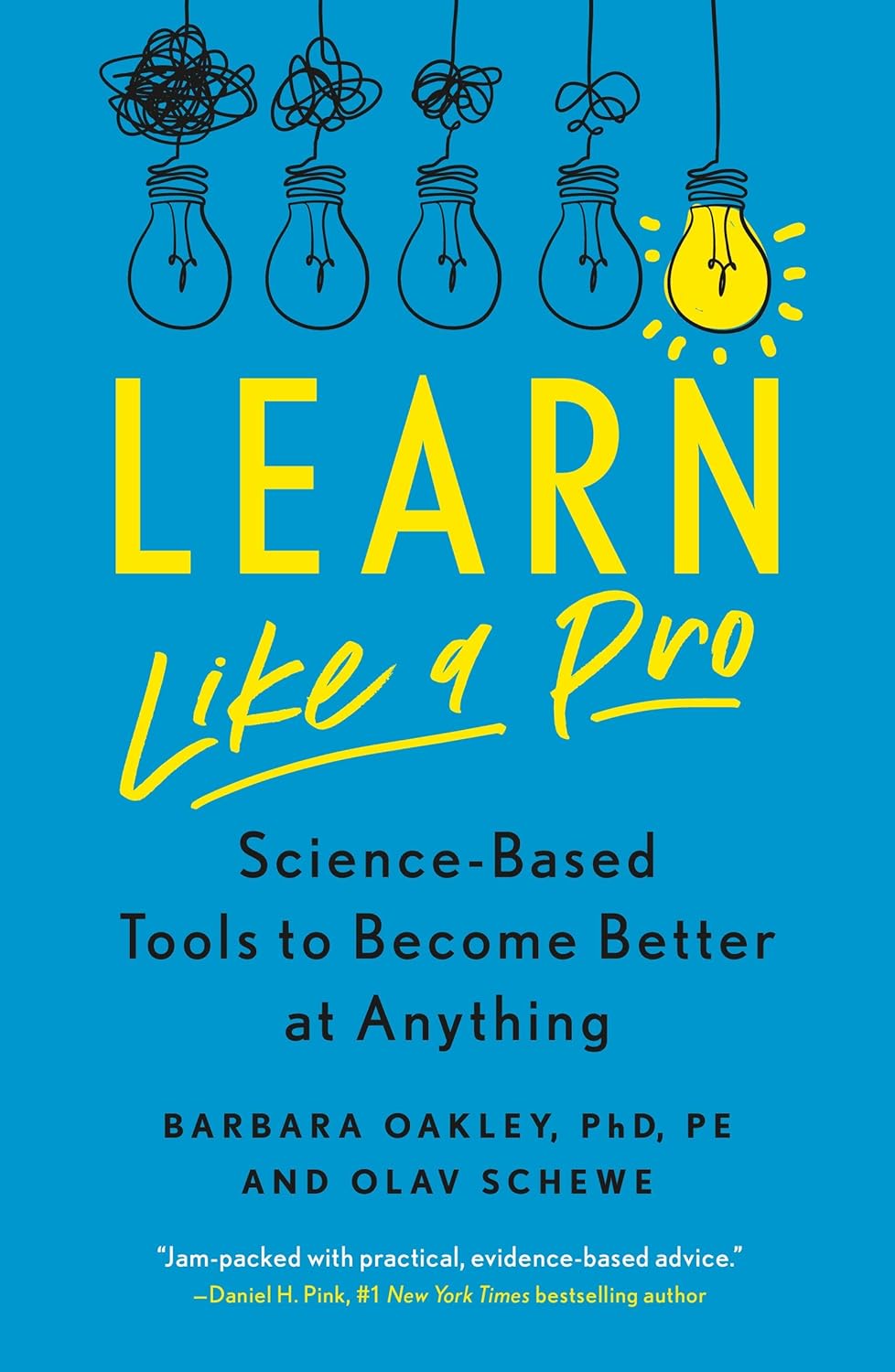
This book is a crash course on how to improve your ability to learn.
It’s under 150 pages, so it’s a short read, yet packed with practical tips and tactics. You’ll learn how to beat procrastination, remember more of what you read, score higher on tests, and much more. It’s an especially useful book for students.
Here are 3 lessons from the book:
📖
1) A Research-Backed Strategy to Beat Procrastination
If you’re having trouble focusing intently or overcoming procrastination, try the Pomodoro Technique:
Sit down where you’ll be working and remove any possible distractions.
Set a timer for 25 minutes (use a physical timer if possible; if not, set one on your phone but then put it in another room so you don’t get tempted to scroll).
Dive into your work for 25 minutes (if distracting thoughts pop into your mind, write them down on a piece of paper and then get back to work).
After the timer rings, reward yourself with a 5 minute break by going for a walk, making a cup of tea, or just closing your eyes and relaxing.
Repeat this strategy as many times as you want until you finish your project.
Why does this work?
Anticipation of a reward keeps you motivated throughout the work session.
It’s much easier to commit to a short work session of 25 minutes than a long one of 2 hours.
Short mental breaks allow you to transfer information into long-term memory, clearing your mind for new learning in the next session.
If you do decide to do a longer work session, take a longer break as well.
One analysis of highly productive workers found that they worked for an average of 52 minutes and then took a 17 minute break.
The key was that when these superstar workers focused, they focused, and when they took a break, they really took a break (note: checking social media or emails is not a break, do something that doesn’t require technology).
📖
2) How To Read Effectively
Effective reading isn’t about speed, it’s about retention.
Research shows that fewer than 1% of people can read at speeds faster than 400 words per minute without loss of comprehension.
The majority of people have a reading speed between 100-300 words per minute, and that’s totally fine. Effective reading is about understanding and remembering what you’ve read.
What most people think is effective is highlighting text while reading, but from a learning perspective, it’s not doing much.
When you highlight text, you activate the parts of your brain involved in the movement of your hand. It feels like you’re being active, but it’s not creating neural links of learning in your long-term memory.
Instead of highlighting the text, you want to annotate it:
Jot down the most important lessons in your own words
Write how the ideas from one book connect to another book
Write a short summary after you finish a chapter
By writing down notes in your own words, you force your brain to process, understand, and paraphrase what you’ve learned.
And if you find that you’re having trouble articulating key ideas, that means there’s a gap in your knowledge, and it’s worth rereading the text.
📖
3) A Few Short Bonus Study Tips
Break up your learning into multiple sessions over several days instead of one ultralong session.
To learn difficult concepts well, actively connect what you’re learning to other material you already know.
Exercise regularly; it’s been shown to help you more easily form neural connections.
Sleep regularly; sleep is often when your neural architecture grows the most.
Removing temptations before working is a more effective strategy for staying focused than relying on willpower.
The best way to prepare for a test is by doing a practice test.
✅ Actionable Advice:
1) If you’re having a hard time beating procrastination, try the Pomodoro Technique:
Set a timer for 25 minutes, work for that time, then reward yourself with a 5 minute break.
2) Spend less time highlighting text while reading and more time annotating text while reading.
3) If you want to get better at studying or learning, grab a copy of “Learn Like A Pro.”
💎 Weekly Gem:
Product: Create Gummies
There are so many benefits to taking creatine, it’s honestly amazing:
Improves muscle mass
Improves exercise performance
Improves exercise recovery
Improves mood and cognitive function
Reduces joint pain
Reduces brain fog
Lowers blood sugar levels
Create makes delicious creatine gummies so you can say goodbye to bland powder.
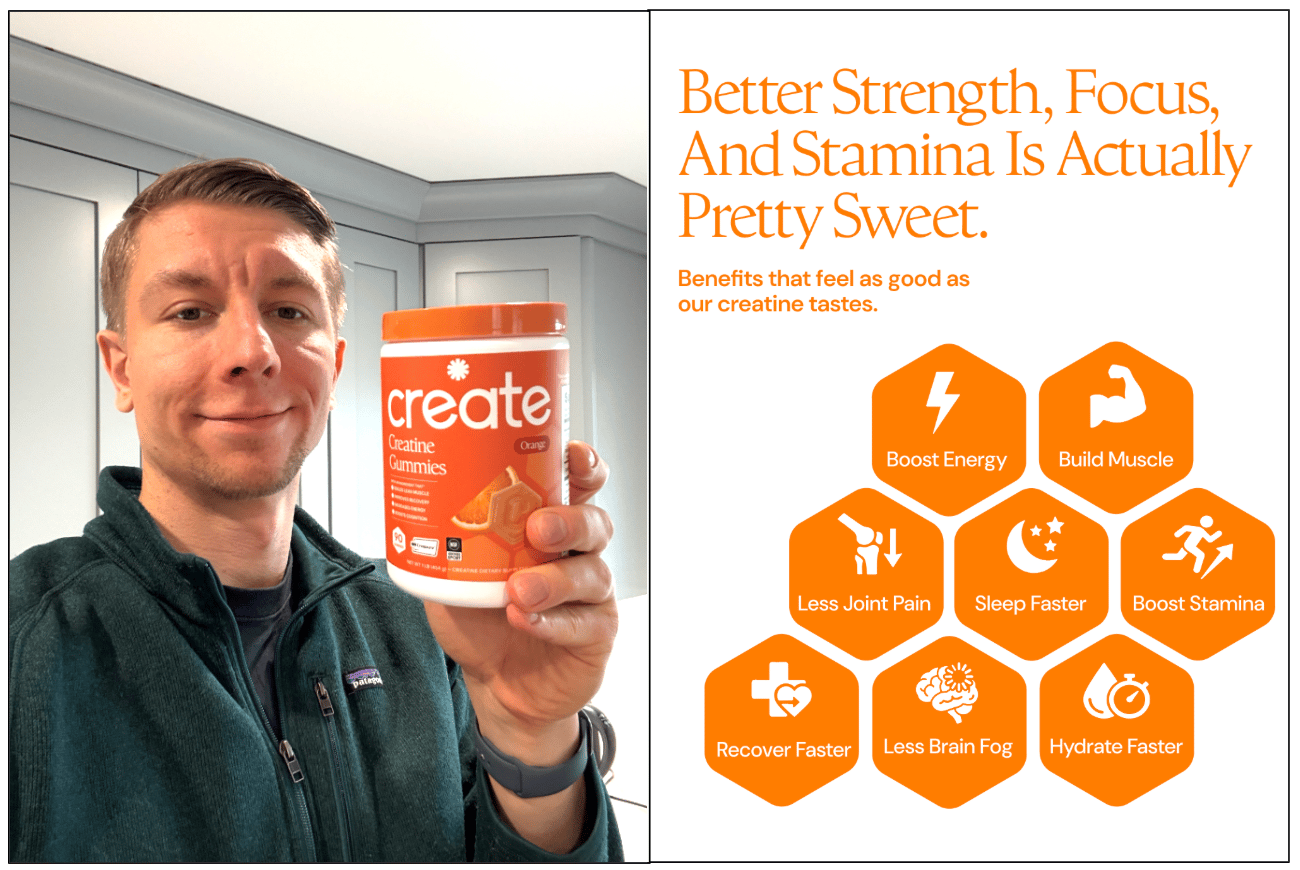
My favorite flavors are orange, sour peach, and watermelon.
I’ve been taking Create for over a year now and have felt significantly better both physically and mentally from it.
If you want to improve your physical or cognitive performance, try Create. You can get 20% off your first order here.
Your opinion matters!
What did you think of this week's newsletter? |
Thank you for your support,
Alex W.
Reply