- Alex & Books Newsletter
- Posts
- 📚 3 Exciting Books for 2026, 3 New Lessons Learned from Authors, and more.
📚 3 Exciting Books for 2026, 3 New Lessons Learned from Authors, and more.
A&B #275
In partnership with

👋 Hey everyone,
Here are a few popular posts you may have missed:
This week’s newsletter was made possible by:
Find out why 100K+ engineers read The Code twice a week
Staying behind on tech trends can be a career killer.
But let’s face it, no one has hours to spare every week trying to stay updated.
That’s why over 100,000 engineers at companies like Google, Meta, and Apple read The Code twice a week.
Here’s why it works:
No fluff, just signal – Learn the most important tech news delivered in just two short emails.
Supercharge your skills – Get access to top research papers and resources that give you an edge in the industry.
See the future first – Discover what’s next before it hits the mainstream, so you can lead, not follow.
📚 Books Summary:
Instead of one summary this week, here are 3 short summaries of books I’d add to your 2026 reading list (and are worth preordering):
📖
1) "Unhinged Habits" by Jonathan Goodman
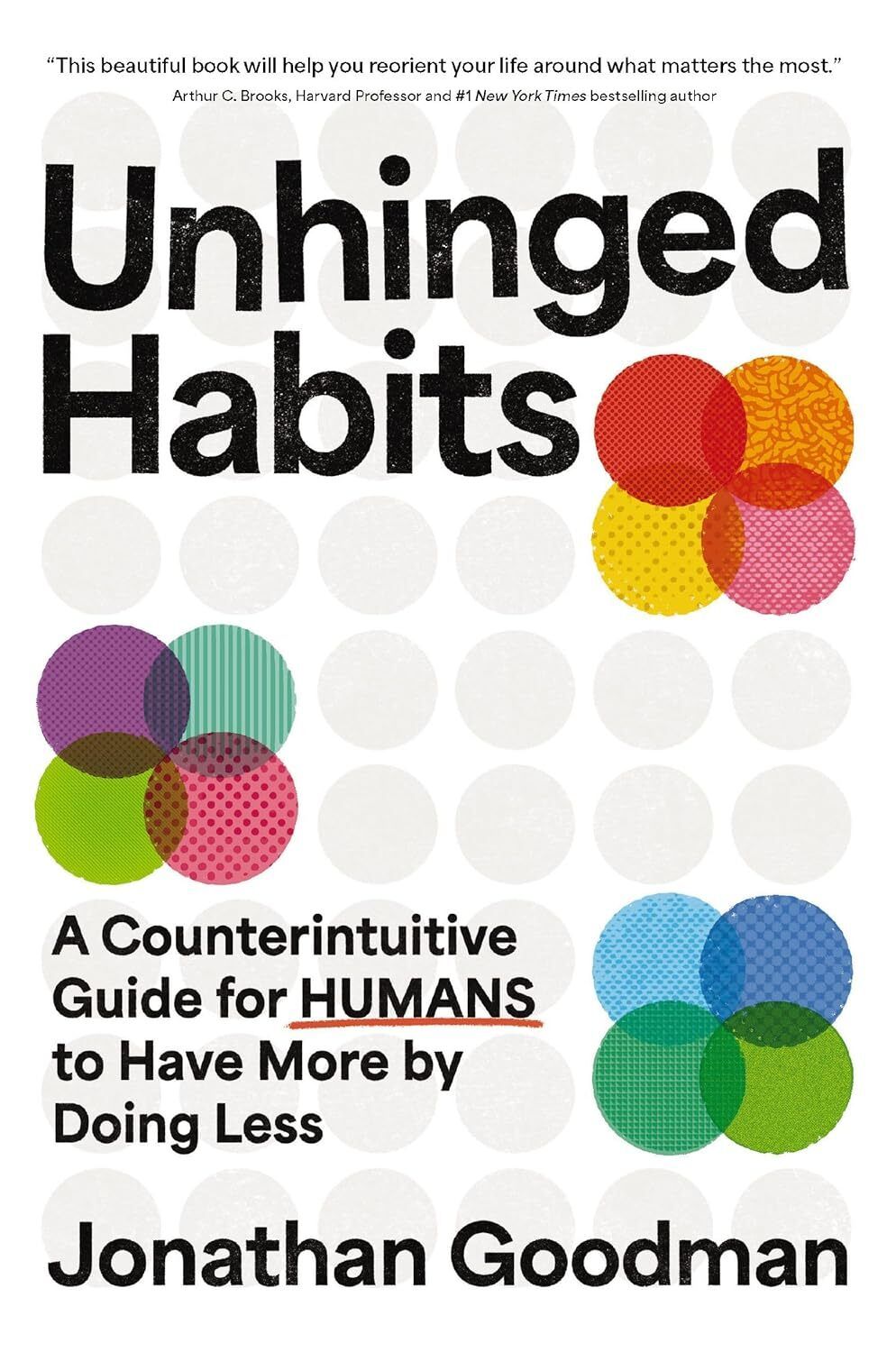
People will tell you that the best way to get ahead in any area of life is with slow and incremental progress.
Get 1% better every day, people say. Jonathan Goodman, however, believes doing the opposite is a better approach.
Consistency is great for maintaining progress, but you need a period of intensity for making progress.
Hence the term, unhinged habits.
Take James Clear, the bestselling author of “Atomic Habits,” for instance.
To write his book, James developed an intense writing habit, working on it for 10-12 hours every day for an entire year.
If you want to get ahead in life, it’s best to pick a singular area (health, business, writing, etc), and develop an unhinged habit around it. Once you reach your goal, use consistency to sustain your progress.
If you loved “Four Thousand Weeks” or “Essentialism”, you’ll enjoy this book.
It will be out on Jan. 27th, 2026.
📖
2) "Beyond Belief" by Nir Eyal
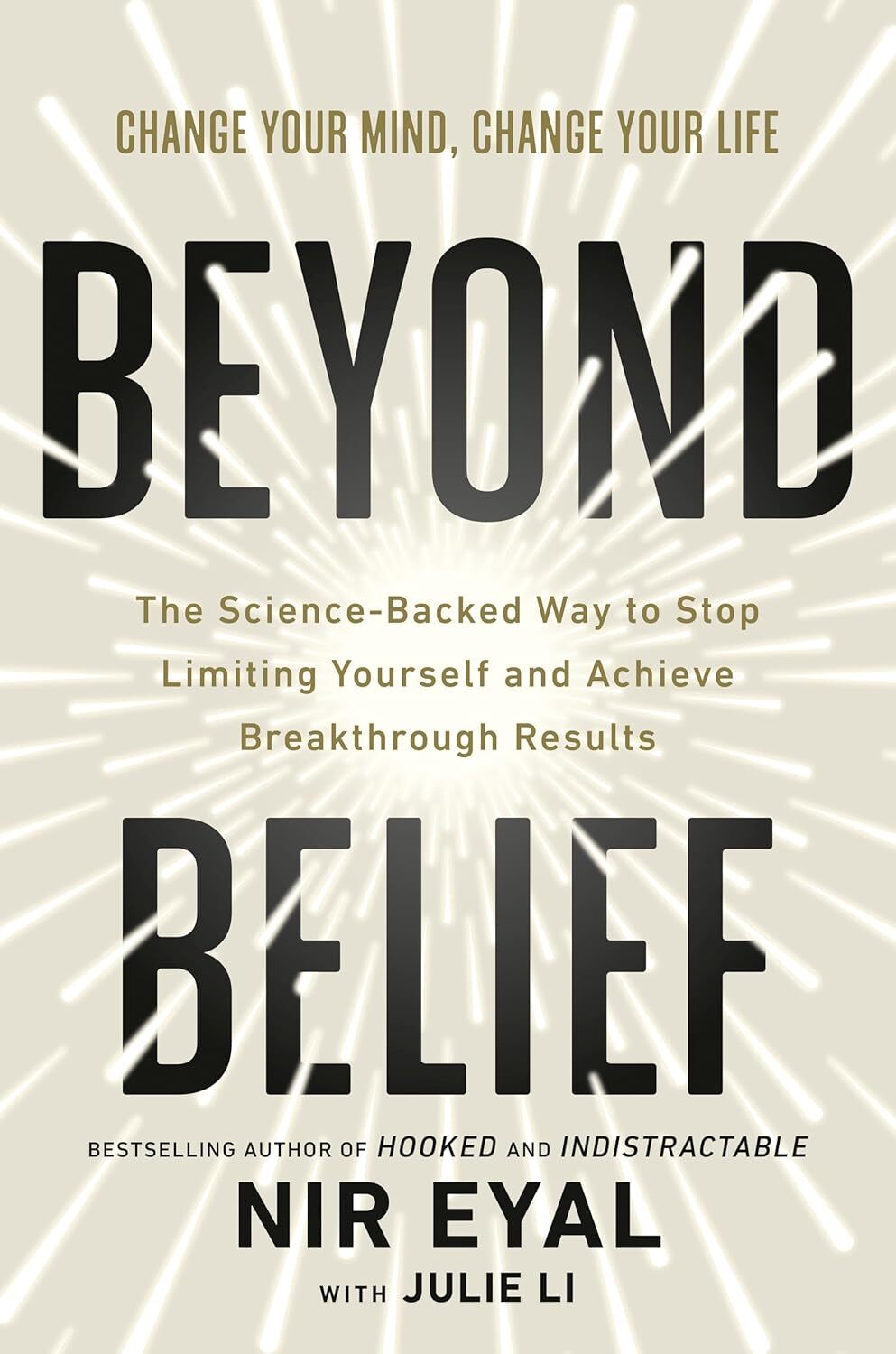
In this book, bestselling author Nir Eyal shares how most of your limits aren’t physical–they’re psychological.
Or in other words, many of our limits aren’t fixed, they’re learned.
Throughout our lives, we develop unconscious assumptions about ourselves through the stories we tell ourselves and the stories other people tell us.
However, there is good news. You can reshape and replace your negative beliefs with positive ones.
Throughout the book, Nir shares fascinating neuroscience and psychology research along with fascinating case studies that will help you break through your limiting beliefs.
If you loved “The Expectation Effect” or “Mindset”, you’ll enjoy this book.
It will be out on March 10th, 2026.
📖
3) "Protocols" by Andrew Huberman

Dr. Andrew Huberman is one of the most followed scientists in the world.
He’s the host of the popular health podcast, Huberman Lab, and a tenured professor at Stanford School of Medicine.
In his book, he shares simple, powerful, and evidence-based solutions to life's most common challenges.
The book covers the 10 main pillars of health including:
Nutrition
Motivation & focus
Oral & gut microbiome
Relationships
Sleep
Creativity
Learning & neuroplasticity
Movement & exercise
Stress control
Light
If you loved “Outlive” or “Good Energy,” you’ll enjoy this book.
It will be out on Sept. 15, 2026.
–
PS: I read (and helped edit) both Jonathan's and Nir’s books, so I can confirm both are worth buying.
If you want to learn how I edit books, read this article here.
If you want me to help edit your book, reply to this email and we can chat more.
✅ Actionable Advice:
Have you enjoyed my newsletter or content in 2025?
If YES, please take a second to send the link below to a friend.
Or for extra brownie points, share it on social media.
You’ll be helping support me while also earning cool rewards for yourself!
💎 Weekly Gem:
Documentary: The Thinking Game
This documentary chronicles the life of visionary scientist Demis Hassabis and his pursuit to crack artificial general intelligence.
By age 13, Demis Hassabis was a chess prodigy. By age 17, Demis was offered $1 million to skip college and work at a video game company. After getting his PhD in cognitive neuroscience, Demis cofounded DeepMind.
In 2014, he sold it to Google for over $400 million and went to work on solving AGI.
If you’re into science, artificial intelligence, or technology, you’ll love this doc. You can watch it for free on YouTube here.
Your opinion matters!
What did you think of this week's newsletter? |
Thank you for your support,
Alex W.
Reply